

Rug Underlay Guide: Sizes, Types & Prices for 2026

A rug underlay is one of the cheapest ways to protect both your rug and your floor, but most people only think about it after a rug has already started slipping or wearing unevenly. This guide covers the types, sizes, and thicknesses on offer, with real examples so you know exactly what to buy.
What a rug underlay actually does Non-slip pad types: PVC, felt and Rug Lock grip Rug pad thickness, by room and rug type How rug pad sizing works Jute rugs and underlay compatibility Using a rug pad outdoors Where to buy online in Australia
What Is a Rug Underlay, and Do You Need One?
A rug underlay sits between your rug and your floor, and it does more work than most people expect. Beyond stopping a rug sliding around, a good rug pad use case includes cushioning underfoot, protecting timber and tile from scratching, and reducing the wrinkling and edge curl that shortens a rug's life.
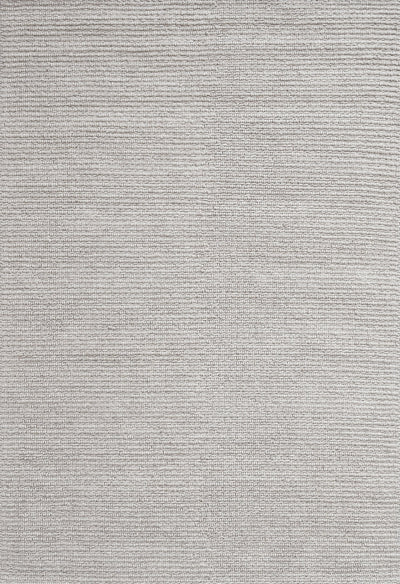
If your rug already has a fitted rubber or latex backing, you may not strictly need one. But most wool, cotton, and handmade rugs, including the Zaria White Rug, ship without any built-in grip, which means a separate underlay is doing all the work of keeping the rug flat and in place.
Rug Underlay Types: Non-Slip PVC, Felt & Rug Lock Grip
A rug pad non slip is the most common type people search for, and for good reason. It's the difference between a rug that stays exactly where you placed it and one that bunches up every time someone walks across it.
The Anti Slip Rug Pad, White PVC, Hard Flooring is built specifically for timber and tile, using a PVC construction that grips the floor without marking sealed finishes. It's available from 65x135cm up to 230x370cm.
The Rug Lock 5mm (Standard) uses grip dots on both sides, which means it can be used on hard flooring and over carpet alike. For a thicker, more cushioned version of the same grip system, the Rug Lock 10mm (Premium) adds extra padding underfoot while keeping the same non-slip performance.
Rug Pad Thickness Guide
A rug pad thickness of around 5mm suits most living rooms, bedrooms, and hallways, offering enough cushioning without changing how a door swings over the rug edge. This applies particularly to large rugs sitting under furniture, where too much bounce underfoot can make chairs feel unstable.
A rug pad thickness of 10mm or more adds a noticeably softer, more luxurious feel underfoot, and works well under thinner flatweave or viscose rugs like the Rivareno Modern White Rug, which don't carry much cushioning of their own.
Dining rooms are the one place to go thinner rather than thicker. A pad thicker than roughly 6mm (a quarter of an inch) under a dining rug can make chairs difficult to slide in and out from the table, so a 5mm option is usually the safer choice there.
Rug Pad Size: How Underlay Sizing Works
A rug pad size is not the same as your rug size, and this catches a lot of people out on their first order. Underlay is generally cut to sit a little smaller than the rug on every side, so the pad stays hidden underneath rather than peeking out past the edge.
Both the Rug Lock 5mm (Standard) and Rug Lock 10mm (Premium) are offered across the full range of standard rug dimensions, from 60x90cm small mats up to 80x600cm long runners, so you can match the pad size directly to the rug size you're buying rather than doing the maths yourself.
Jute Rug Underlay and Rug Pad Jute Compatibility
A jute rug underlay question comes up often, because jute rugs behave differently underfoot to wool or cotton ones. Jute fibres are naturally coarse and slightly abrasive on the back, which means a jute rug benefits even more than most from a proper pad, both to protect timber floors from that texture and to stop the rug itself from sliding on its own stiffer weave.
A rug pad jute owners should generally avoid is anything with a strong adhesive or a very tacky rubber backing, since jute's natural fibres can catch and pull against overly aggressive grip surfaces over time. A felt-and-grip combination, like the Rug Lock 5mm (Standard), is a gentler match. Browse the full Jute collection to see which of our natural fibre rugs would pair well with one.
Using a Rug Pad Outdoors
A rug pad outdoor is a slightly different product category to an indoor one, and it's worth being upfront about this rather than assuming one pad works everywhere. Standard indoor felt and PVC pads aren't designed to handle rain, humidity, or direct sun, and can trap moisture against decking or tiles if left outside long-term.
If you're placing a rug on a covered patio or alfresco area, look for a genuinely weather-resistant, breathable mat rather than repurposing an indoor pad, and check with our team directly if you're unsure which of our accessories are rated for outdoor use before you order. Outdoor-suitable rugs themselves, like the polyester designs built for decking, are a separate consideration to the underlay sitting beneath them.
Buying a Rug Underlay Online in Australia
A few things to check before you order:
Measure your actual rug, not the room, since underlay sizing is based on the rug dimensions Match the pad to your floor type PVC and grip-dot pads suit hard flooring, while felt options work better over carpet Choose thickness based on the room, going thinner under doors and dining tables Confirm free shipping, which applies to underlay as well as rugs
Every rug underlay at Haus & Harbour ships free across Australia, with a 30-day easy return policy on unopened, unused items.
Shop Rug Underlays at Haus & Harbour
Browse the Rug Lock 5mm (Standard), Rug Lock 10mm (Premium), and Anti Slip Rug Pad, White PVC to find the right match for your rug. Check the rug size guide if you're unsure which size fits your room, or browse best sellers for the most popular rugs right now.