

How to Layer Rugs Like a Pro (And Why Australian Homes Are Doing It Wrong)

Rug layering is having a serious moment in Australian interiors and for good reason. Done right, it adds instant depth, warmth, and personality to any room without a full renovation. Done wrong, it looks cluttered and chaotic.
The good news? Getting it right is simpler than you think. Here's everything you need to know about layering rugs in your Australian home.
What Is Rug Layering, Exactly?
Rug layering is the practice of placing one rug on top of another to create a richer, more textured look. Think of a large jute rug or natural fibre rug as your base, with a smaller, patterned or plush rug layered on top to anchor a seating area or add a focal point.
It's a technique borrowed from high-end interior designers, and it works just as well in everyday Aussie homes. If you're not sure where to begin, our guide on how to choose the right rug for every room is a great starting point.
Why Most People Get It Wrong
The most common mistake is treating both rugs as equals. When two rugs compete in size, colour, or texture, the result feels messy rather than intentional.
The second mistake? Going too small. A base rug that barely fits under your sofa legs doesn't give the layered rug anywhere to "breathe." Scale is everything, and if you're unsure about sizing, our blog on how to make a small room look bigger with a rug covers exactly how rug dimensions affect a space.
The Golden Rules of Rug Layering
1. Start with a Large, Neutral Base
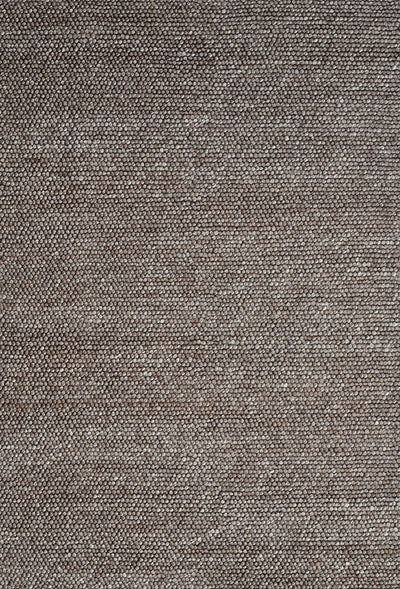
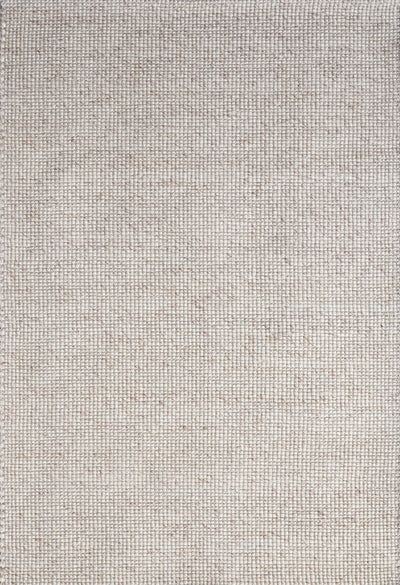
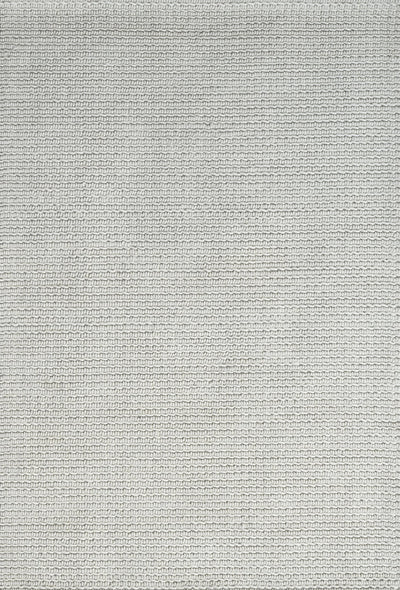
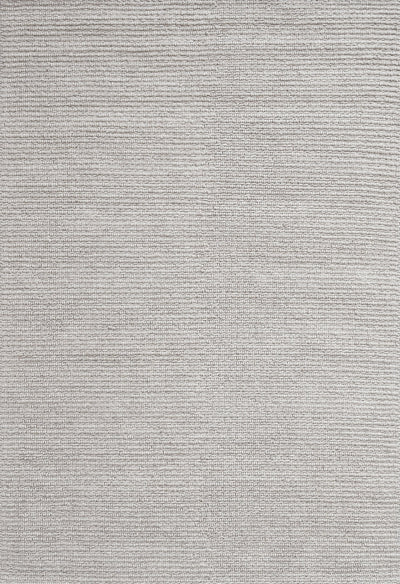
Your foundation rug should be large enough to define the entire seating or dining zone. Browse our large rugs collection for the right fit. A jute rug, sisal, or a simple beige & ivory flatweave works beautifully textural but never loud.
2. Layer a Smaller Statement Rug on Top
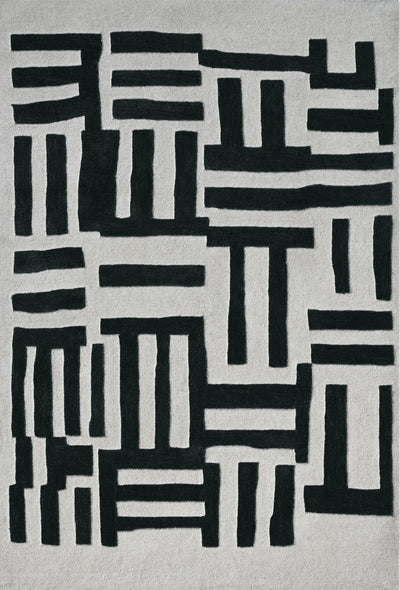
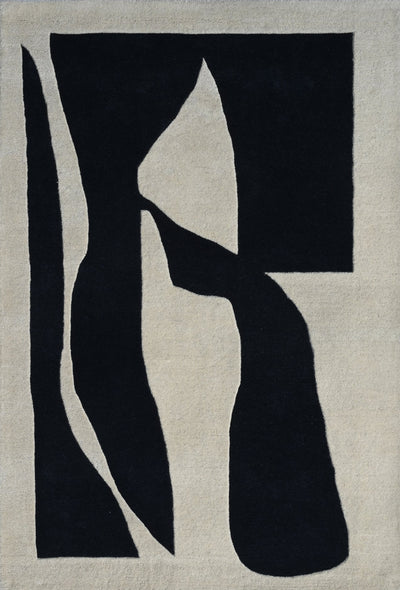
The top rug should be roughly 60–70% the size of the base. This is where you bring in pattern, colour, or plush pile. A Moroccan-style rug over jute? Classic. A modern geometric rug over a soft wool base? Effortlessly current. Explore our new arrivals for fresh statement options.
3. Keep Textures Complementary, Not Identical
Flat base, plush top. Smooth base, chunky knit top. The contrast in texture is what makes layering feel intentional and sophisticated rather than accidental. For a deep dive into how texture shapes a room's mood, read why a rug changes how a room feels.
4. Anchor the Top Rug with Furniture
At least two front legs of your sofa or armchairs should rest on the top rug. This grounds the layer and stops it from sliding or looking like an afterthought.
5. Don't Overthink the Colour
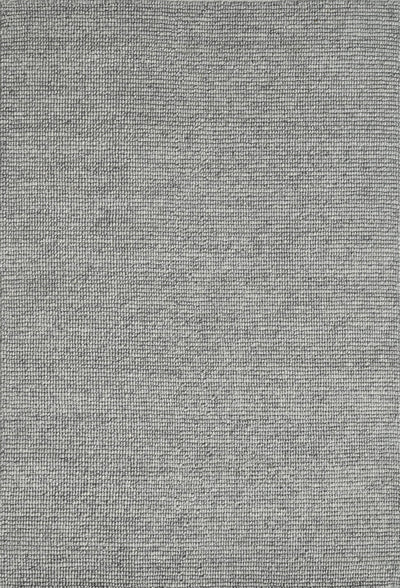
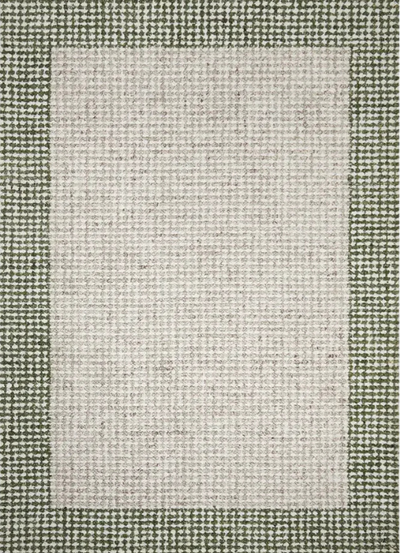
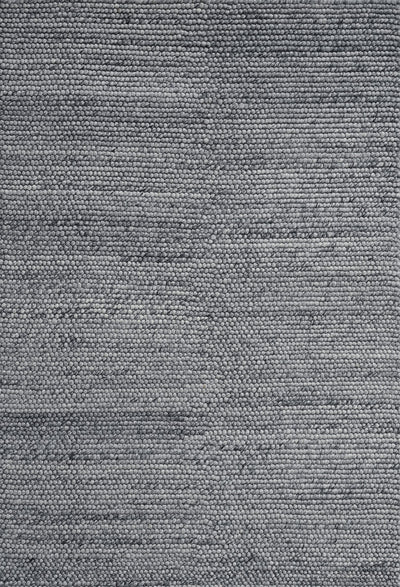
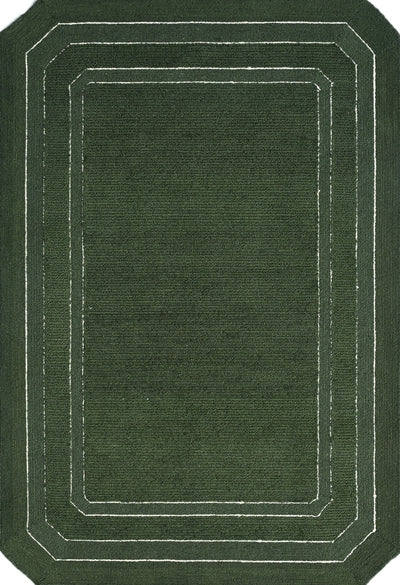
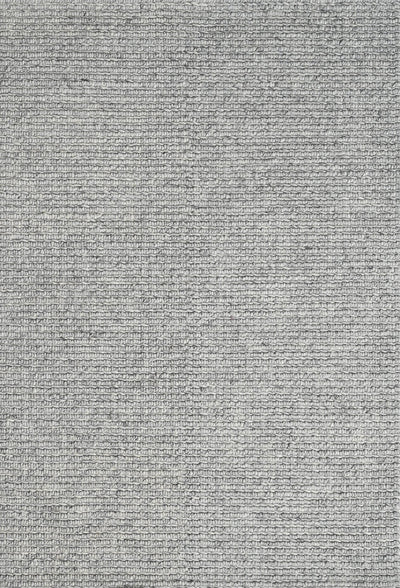
A neutral base gives you freedom at the top. Stick to two or three tones drawn from your existing furniture. Our colour collections grey, green, blue, and multi-colour make it easy to find a top rug that fits your palette perfectly.
Best Room for Rug Layering?
The living room is the obvious winner, but don't sleep on the bedroom. A large wool rug under the bed with a smaller runner layered at the foot creates a cosy, boutique-hotel feel that works especially well in cooler months.
Hallways and entryways also benefit enormously; layer a runner over a flatweave for added grip and visual interest in high-traffic areas. Not sure which style suits your overall aesthetic? Check out the best rug for your interior design style for room-by-room guidance.
Ready to Start Layering?
The best part about rug layering is that you probably already own your base rug. All you need is the right statement piece to complete the look.
Browse Haus & Harbour's full rug collection from natural jute bases to bold modern prints and find your perfect layer today. And once you've styled your new rugs, make sure you're caring for them properly with our tips on rug cleaning mistakes you're probably making.