

Why Natural Fibre Rugs Are Worth Every Penny

Walk into any beautifully styled Australian home, and there's a good chance the rug anchoring the living room isn't synthetic. It's jute. It's wool. It's a natural fibre that brings something into the room that no polypropylene or polyester alternative ever quite manages soul.
Natural fibre rugs cost more upfront. That's simply true. But once you understand what you're actually getting for that investment, the price becomes very easy to justify. Here's why.
They Look and Feel Genuinely Different
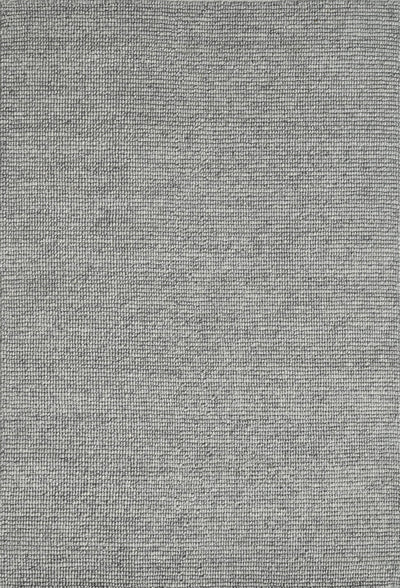
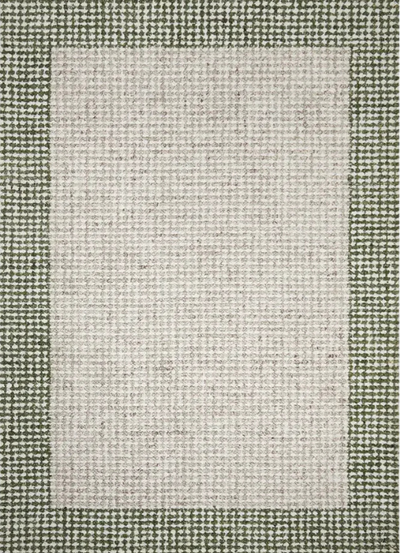
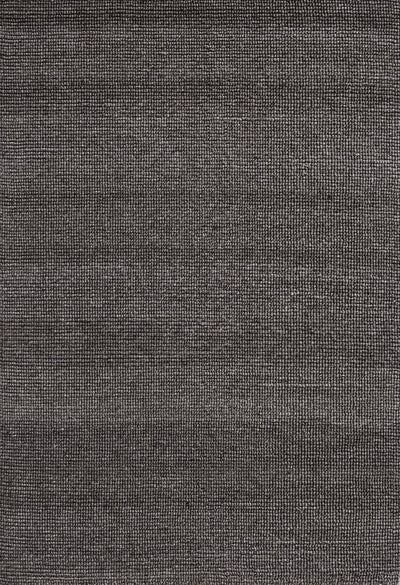
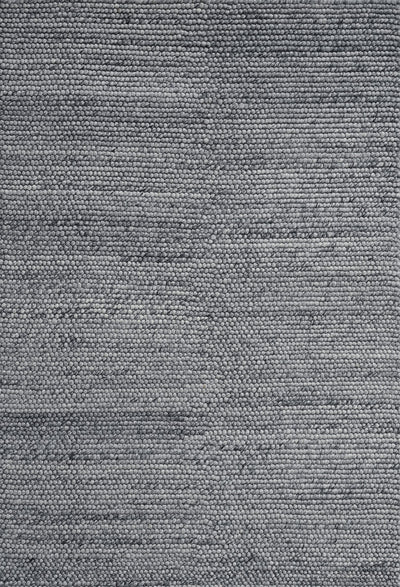
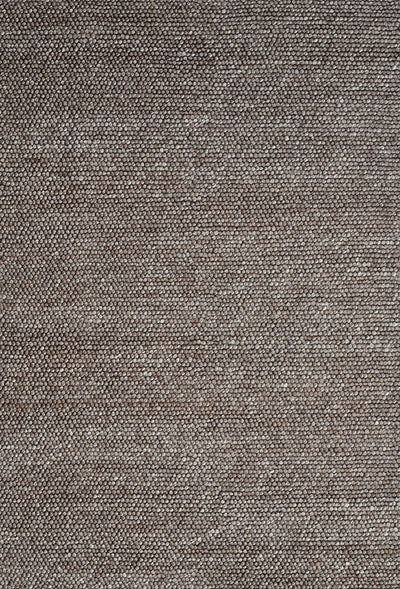
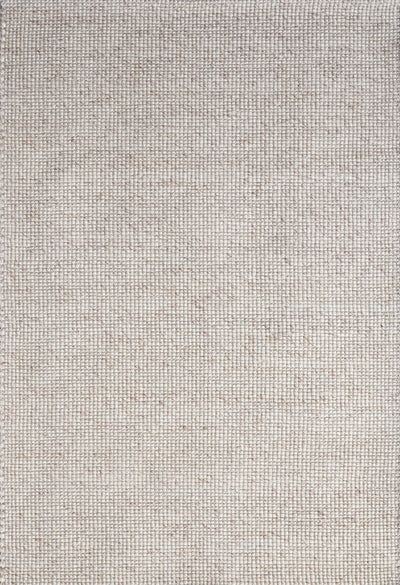
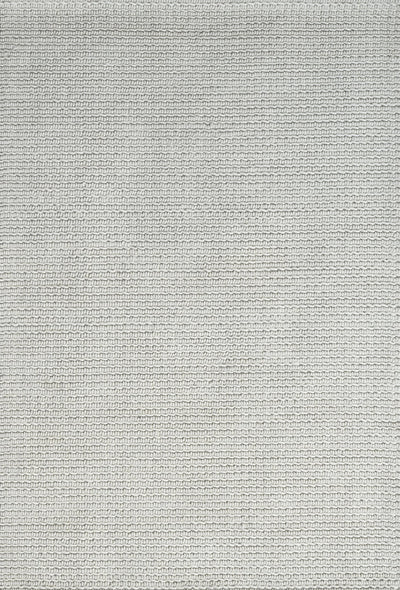
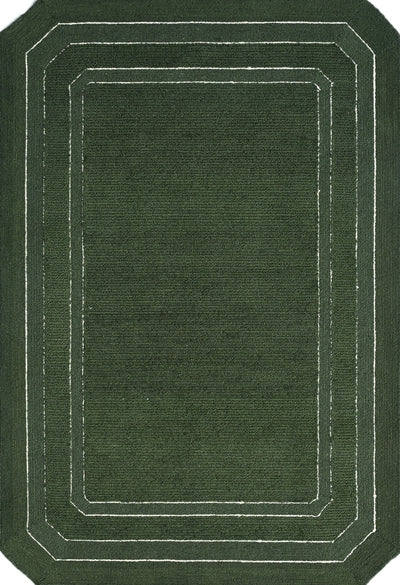
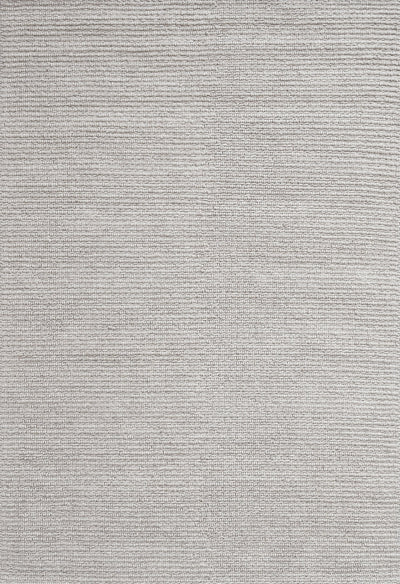
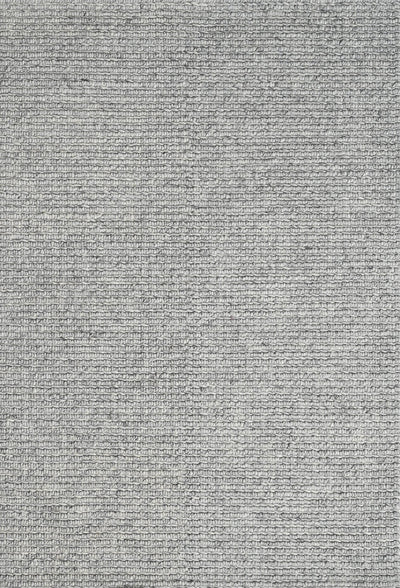
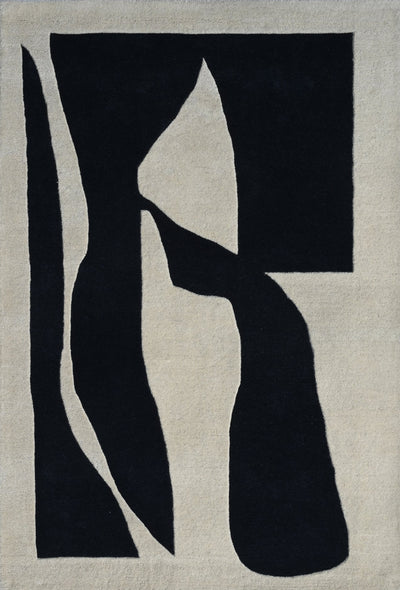
There is a tactile quality to natural fibres that manufactured materials cannot replicate. The warmth of wool underfoot. The earthy, organic texture of a hand-woven jute rug. The slight variation in tone that comes from a fibre that was grown, not manufactured. These are the qualities that make a room feel curated rather than assembled and they're impossible to fake.
Synthetic rugs, however well-made, have a uniformity that gives them away. Natural fibre rugs carry the subtle imperfections of something real, and those imperfections are precisely what make them beautiful.
They're Built to Last
A quality wool rug can last 20 to 50 years with proper care. A hand-knotted piece can outlast multiple generations. Wool fibres are extraordinarily resilient they can flex thousands of times before breaking, and they bounce back from compression without showing permanent marks.
Jute, while best suited to lower-traffic areas, holds its structure and character for years when cared for correctly. Neither material pills, sheds microplastics, nor deteriorates into a flat, lifeless shadow of its former self, the way synthetic rugs inevitably do.
The maths is straightforward: a quality natural rug over ten years costs far less than two or three synthetic replacements over the same period.
They're Better for Your Home Environment
Wool is a natural temperature regulator. It helps keep rooms warmer in winter and cooler in summer, a genuinely useful quality in Australia's varied climate. It also traps dust particles and allergens deep within its fibres rather than releasing them back into the air, which improves indoor air quality for allergy sufferers.
Natural fibres don't off-gas volatile organic compounds (VOCs) the way some synthetic rugs and their chemical treatments can. In a home where you spend a significant portion of your life sitting, lounging, and breathing at floor level, that matters.
They're the Sustainable Choice
Jute is one of the fastest-growing plants on earth. It requires minimal pesticides, enriches the soil it grows in, and is fully biodegradable at the end of its life. Wool is a renewable resource shorn annually without harm to the animal and is also fully biodegradable.
Synthetic rugs, by contrast, are derived from petrochemicals, shed microplastics with every vacuum, and end their life in landfill. For environmentally conscious Australians, this comparison alone is often decisive.
They Age Beautifully
Perhaps the most underrated quality of natural fibre rugs is how they change over time. A wool rug softens and develops a gentle patina. A jute rug settles into its environment and becomes more characterful with age. Handmade rugs crafted with natural dyes are literally designed to improve as the years pass. The slight softening of colour that comes with age is considered a mark of quality, not deterioration.
Synthetic rugs don't age. They just wear out.
Ready to Make the Switch?
Explore our full range of premium jute, wool, and natural fibre rugs at Haus & Harbour, curated for Australian homes that value quality, sustainability, and lasting style. Questions? Our styling team is at hello@hausandharbour.com, always happy to help you find the right rug.