

Should You Put a Rug on Carpet? The Honest Answer

It's one of the most Googled rug questions in Australia, and the answer might surprise you. Yes, you absolutely can put a rug on carpet. In fact, when done correctly, layering a rug over carpet is one of the cleverest styling moves available to renters, homeowners stuck with builder-grade carpet, and anyone who wants to define a space without ripping up the floor beneath it.
Here's what you need to know to make it work beautifully.
When Does a Rug on Carpet Make Sense?
There are several very common and very valid reasons to layer a rug over existing carpet:
- You're renting and can't change the carpet, but it's the wrong colour, worn, or simply not your style
- You have builder-grade carpet that's perfectly functional but lacks character
- You want to define a zone within a carpeted open-plan space: a lounge area, a reading corner, a kids' play zone
- You want to add warmth, colour, or pattern to a room that feels flat and unfinished
- You're temporarily in a space and want your rug to travel with you when you leave
All of these are excellent reasons. The key is choosing the right rug type and styling it correctly so the result looks intentional rather than accidental.
The Most Important Rule: Choose a Flatweave
The single most important decision when putting a rug on carpet is choosing the right construction. High-pile and thick rugs sit unstably on carpet, shift constantly underfoot, create an uncomfortable spongy feel, and most critically look visually sloppy.
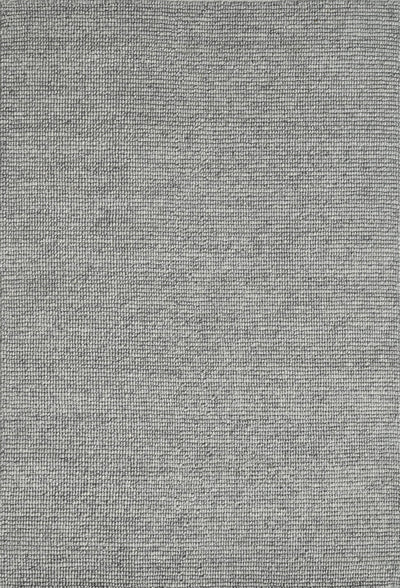
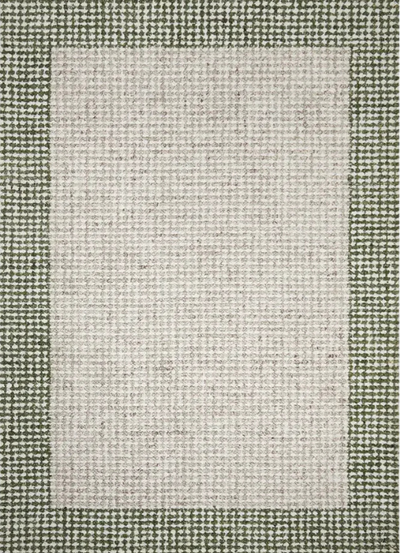
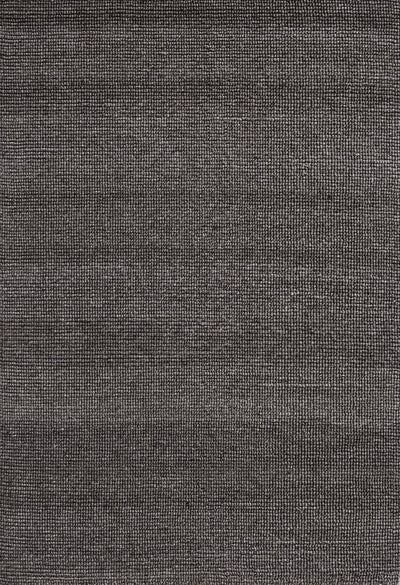
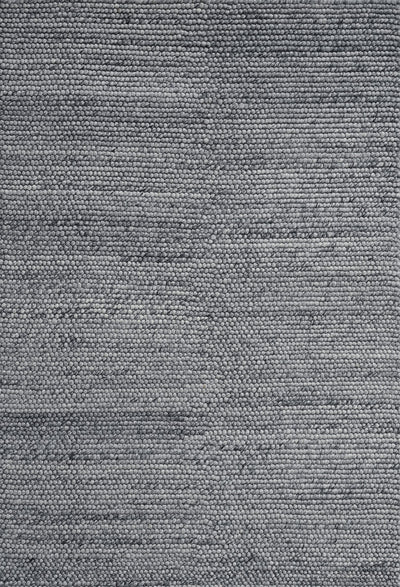
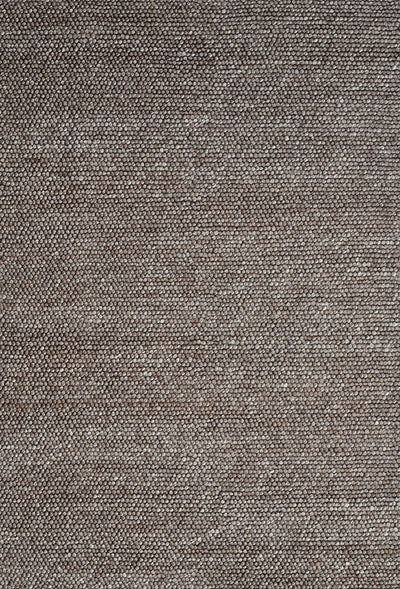
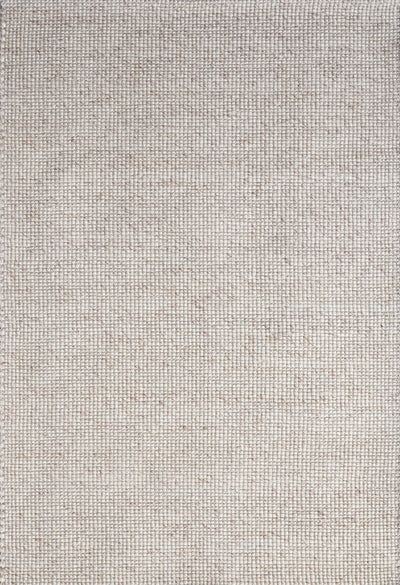
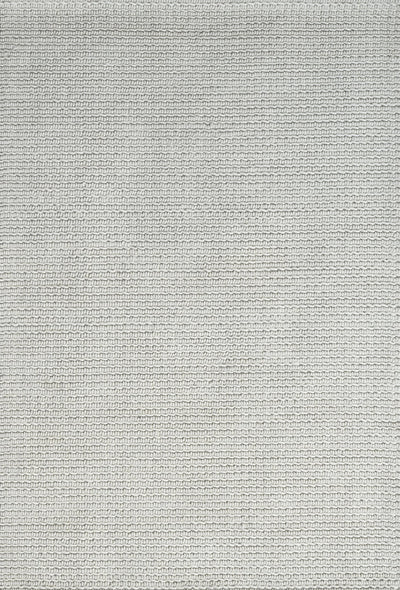
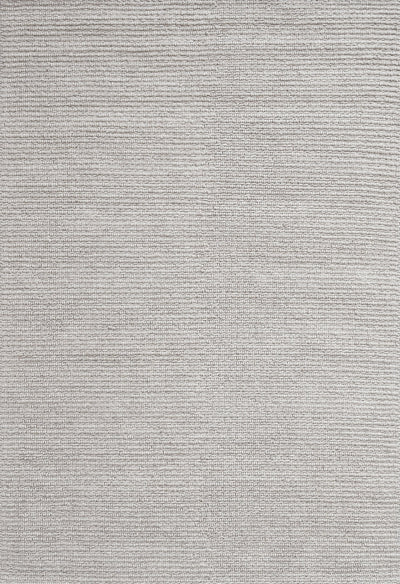
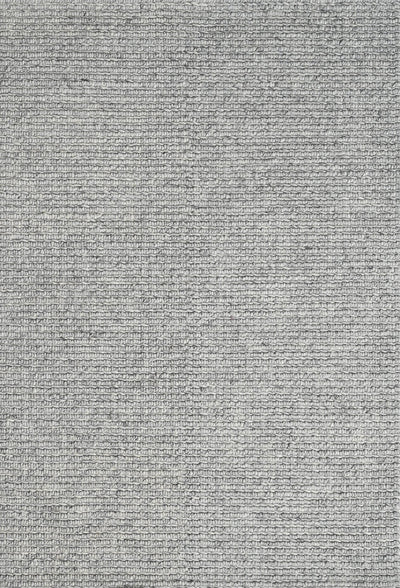
The answer is a flatweave rug. Low-profile and lightweight, a flatweave rug lies stable and flat on carpet, doesn't shift under foot traffic, and creates a clean, intentional visual layer. Flatweave jute rugs and flatweave wool rugs are the two best options, both natural, beautiful, and well-suited to sitting over carpet without the instability that plush rugs create.
Create Contrast With the Carpet Beneath
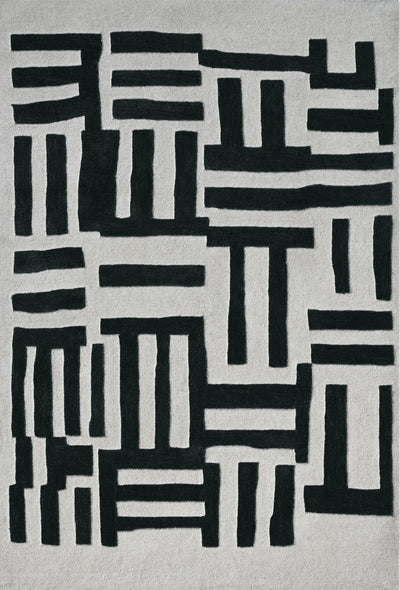
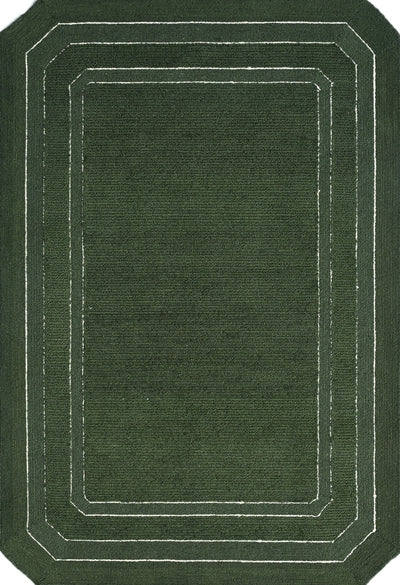
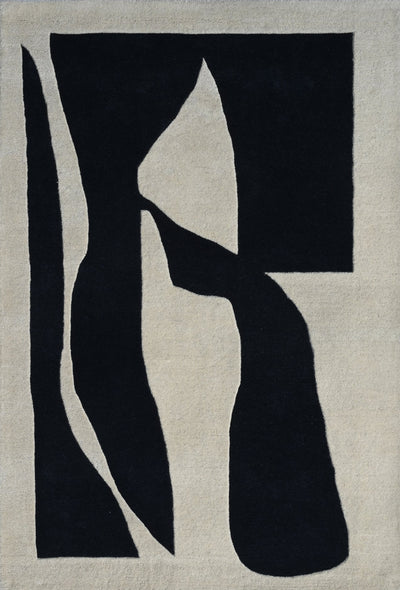
For the layered rug to read as a deliberate design choice rather than an afterthought, it needs to contrast clearly with the carpet below. If your carpet is beige, go for a rug with a defined pattern or a slightly deeper tone. If your carpet is grey, a warm natural jute or a rug in earthy brown creates a clear visual distinction.
The contrast doesn't need to be dramatic, but it does need to exist. A rug that blends entirely into the carpet beneath it simply disappears, which defeats the purpose entirely.
Use a Rug Gripper, Not a Standard Underlay
On hard floors, a non-slip underlay works perfectly. On carpet, a standard underlay adds unnecessary height and instability. Instead, use a rug gripper, a thin, adhesive-free mesh product that anchors the rug to the carpet surface without damaging either. It keeps the rug firmly in place through daily foot traffic and prevents the creeping and bunching that makes layered rugs look messy.
Size It Like You Would on Any Hard Floor
The same sizing rules apply whether the rug is going on hard floors or carpet. In a carpeted living room, your rug should still be large enough for the front legs of the sofa and chairs to sit on it, a minimum of 200 x 290cm for most standard Australian living rooms. A correctly sized rug on carpet looks designed; an undersized one looks like you weren't sure what you were doing.
The Bottom Line
A rug on carpet is not a compromise; it's a genuine design technique. Renters across Australia use it every day to transform carpeted rooms into spaces that feel styled, personal, and distinctly their own. The rules are simple: go flatweave, create contrast, anchor it properly, and size it correctly.
Explore our range of flatweave jute, flatweave wool, and natural neutral rugs, all ideal for layering over carpet at Haus & Harbour. Not sure which rug suits your carpet colour and room? Email our styling team at hello@hausandharbour.com, and we'll find the perfect match.