

Rugs and Furniture: How to Match, Style & Arrange Them Perfectly

The relationship between rugs and furniture is one of the most important and most misunderstood elements of interior design. Get it right, and the room feels balanced, intentional, and complete. Get it wrong, and even the most expensive furniture can look out of place. The good news is that matching rugs and furniture is not as complicated as it seems. There are clear principles that professional interior designers use every time, and once you understand them, the decisions become instinctive.
This guide covers everything from how to coordinate colour and texture to sizing rules, placement strategies, and the exact rugs that work best with different furniture styles.
Why the Rug and Furniture Relationship Matters So Much
Most people choose their furniture first and then look for a rug to "go with it." While that's a practical approach, it puts the rug in a subordinate role, and that's where styling mistakes begin.
Interior designers often say the rug should be the starting point of a room, not the finishing touch. A well-chosen rug sets the colour palette, defines the zone, establishes the mood, and gives the furniture something to respond to. When rugs and furniture are selected together or when the rug genuinely drives the design decisions, the room cohesion that results is noticeably different.
Even if you're working with existing furniture, understanding how to align your rug choice with what you already own will make an immediate, visible difference to how your room feels.
Step 1: Understand Colour Relationships Between Rugs and Furniture
Colour is where most people feel uncertain when pairing rugs and furniture. The fear of getting it wrong leads to playing it safe, which often results in a room that feels flat and uninspired. Here's how to approach colour with confidence.
Match tone, not exact colour
Your rug doesn't need to match your sofa or dining chairs precisely. What it needs to do is share a tonal relationship: warm tones with warm tones, cool tones with cool tones. A warm beige sofa pairs beautifully with a rug in terracotta, rust, or camel. A grey linen sofa works well with a rug in charcoal, slate blue, or sage green.
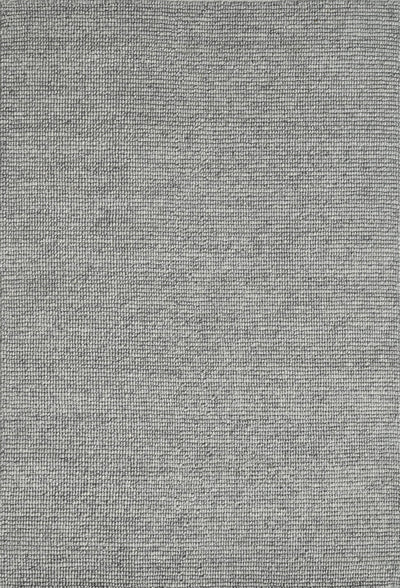
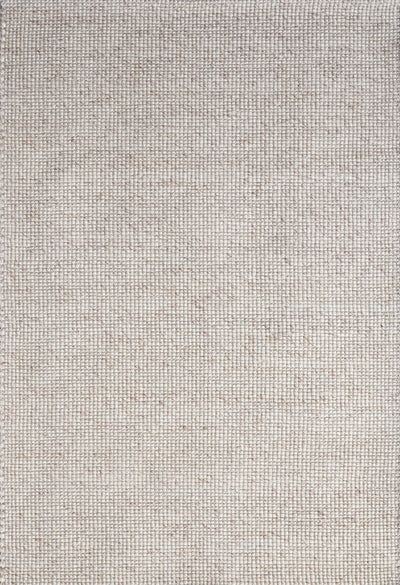
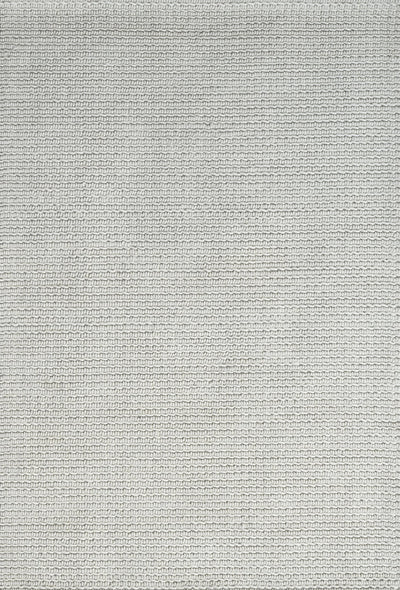
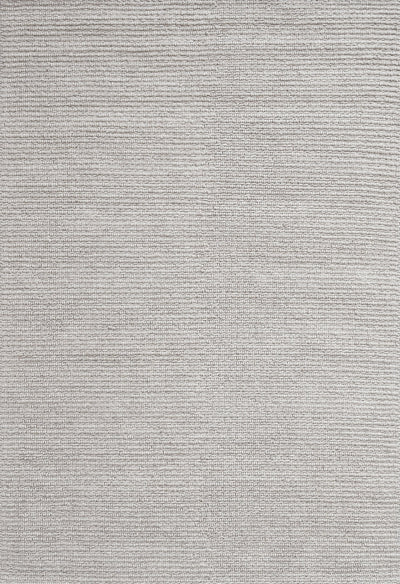
The Tuscany Beige Wool Rug is a masterclass in tonal harmony; its warm natural tone works effortlessly alongside cream, white, oatmeal, and timber furniture without competing for attention. Similarly, the Serenity Silver Wool Rug sits beautifully in rooms with cool-toned furniture, grey sofas, white lacquer pieces, or brushed metal accents.
Use the rug to introduce an accent colour.
If your furniture is largely neutral, as most Australian living rooms are, the rug is the perfect vehicle for introducing accent colour into the space. A sofa in natural linen paired with a rug that carries a deep green, dusty blue, or warm rust creates a composed, layered aesthetic that feels designed rather than assembled.
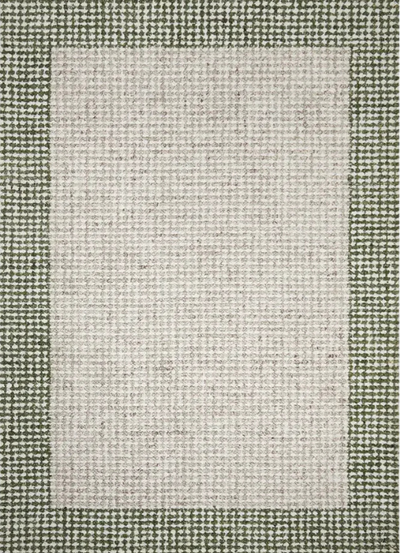
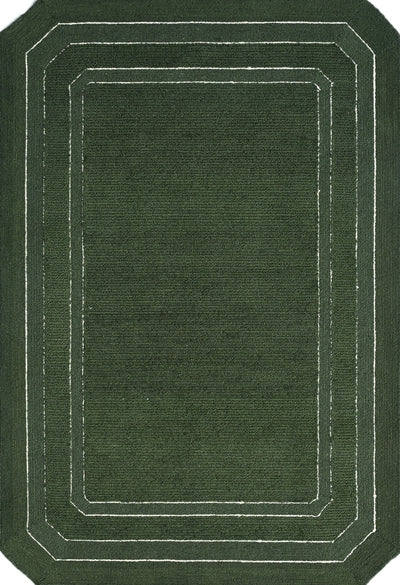
The Elira Green Border Wool Rug does this brilliantly; its earthy green border brings colour and definition to neutral furniture arrangements without overwhelming the room. For a warmer accent, the Soren Modern Rust Rug introduces a rich terracotta tone that lifts beige and cream furniture combinations considerably.
Let pattern rugs anchor a neutral furniture scheme
If your furniture is solid and neutral, a patterned rug can carry the entire visual interest of the room. The Adore Oriental Border Medallion Cream Brown Rug is an excellent example of its heritage medallion pattern, which adds richness, history, and visual depth to a simple sofa and armchair arrangement that might otherwise feel understated.
Step 2: Match Rug Style to Furniture Style
Beyond colour, the style of your rug needs to complement the design language of your furniture. Mismatching styles, say, a highly ornate traditional rug under a sleek minimalist sofa, can create visual tension that unsettles the room.
Modern and contemporary furniture
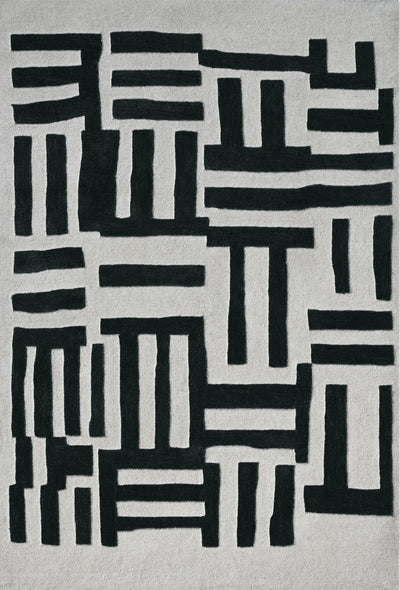
Clean lines, minimal ornamentation, and neutral upholstery define contemporary furniture. The best rugs for this style are those with subtle texture, abstract pattern, or geometric design.
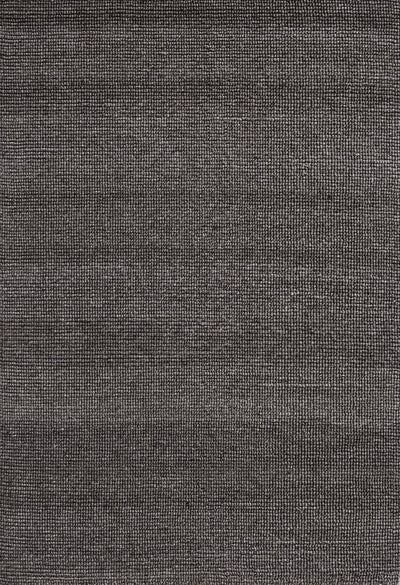
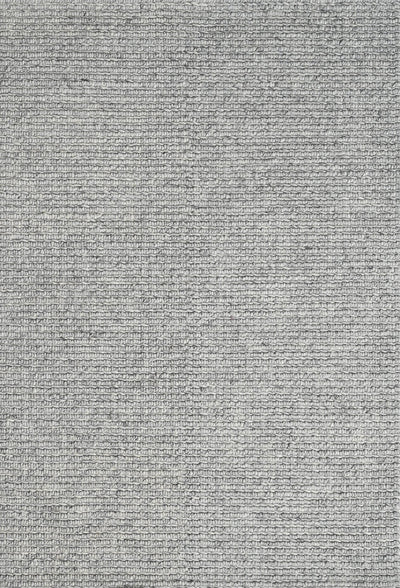
The Rivareno Modern Beige Rug with its soft viscose sheen pairs beautifully with low-profile modern sofas and timber coffee tables. The Max Weave Modern Grey Rug is another strong choice; its natural wool-jute construction adds warmth and texture to modern furniture without introducing a pattern that fights the clean aesthetic.
Coastal and Hamptons-style furniture
Rattan, linen, whitewashed timber, and woven textures define the coastal aesthetic that's so popular across Australia. Natural fibre rugs, particularly jute and jute-wool blends, are the natural companion to this furniture style.
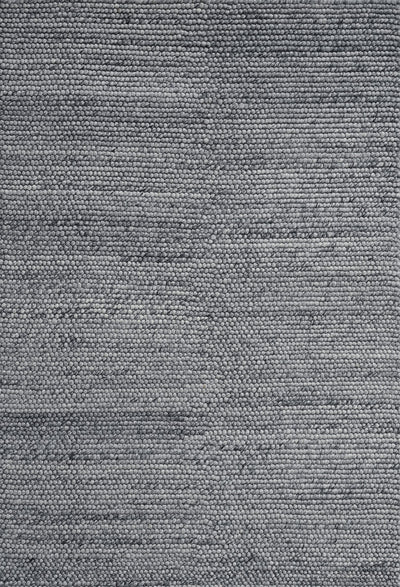
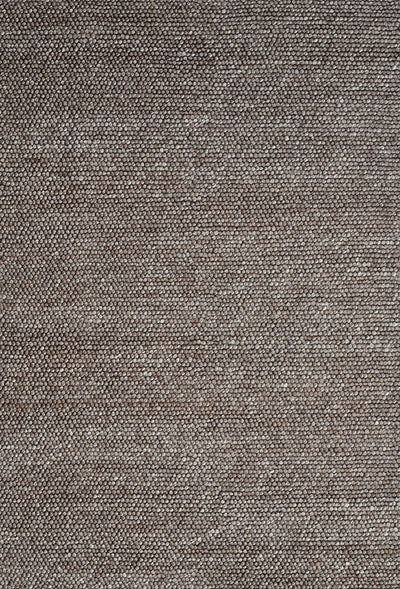
The Alure Modern Brown Wool Rug brings a rich natural tone that works beautifully alongside rattan furniture and linen sofas. Its knitted wool construction adds tactile warmth that complements the relaxed, layered feel of coastal interiors.
Traditional and classic furniture
Timber-framed sofas, leather Chesterfields, antique sideboards, and formal dining settings call for rugs with heritage credentials, medallion patterns, bordered designs, and rich colour palettes.
The Glen Traditional Multi Rug and the Adore Oriental Border Medallion Cream Grey Rug are both excellent matches for traditional furniture; they share the same visual language of craftsmanship and detail that classic pieces embody.
Transitional furniture the most common Australian interior
Most Australian homes fall somewhere between modern and traditional, a mix of clean-lined furniture with some warmer, more characterful pieces. Transitional rugs are designed precisely for this scenario. They carry enough pattern and warmth to feel interesting, but enough restraint to sit comfortably alongside both modern and classic elements.
The Arlen Peach Wool Rug is a perfect transitional choice; its soft warmth and subtle texture bridge the gap between contemporary furniture and more traditional design accents.
Step 3: Get the Sizing Right for Furniture Placement
Even a perfectly colour-matched rug will look wrong if the size is off. The sizing relationship between rugs and furniture is just as important as colour and style.
The most widely used and most effective placement approach is the front legs on method, where the front two legs of each sofa and chair rest on the rug, while the back legs sit on the bare floor. This visually connects the furniture to the rug, creating a unified seating zone without requiring a rug so large that it dominates the entire floor.
For this approach to work in a standard Australian living room, you typically need a minimum size of 200 x 290 cm. For larger rooms or open-plan spaces, 240x330cm or 280x380cm gives the furniture the breathing room it needs.
The all-legs-on approach, where every leg of every furniture piece sits fully on the rug, creates a more formal, polished look. This requires a significantly larger rug, typically 280x380cm or above, and works best in rooms where the furniture arrangement is fixed and generous in scale.
Step 4: Use the Rug to Define Zones in Open-Plan Spaces
In open-plan living and dining areas, which are standard in most contemporary Australian homes, rugs play a critical role in spatial definition. Without walls to separate zones, a rug is one of the most effective tools for telling the eye where one area ends and another begins.
Place one rug under the sofa arrangement to define the living zone, and leave it well clear of the dining setting. The gap between the two rugs or the bare floor between a rug and a dining setting is what creates the visual separation that makes the open plan feel organised rather than chaotic.
For living zones in open-plan spaces, a large-format rug like the Soren Modern Rust Rug (available up to 300x400cm) is ideal, generous enough to anchor a full sofa and armchair grouping while leaving clear delineation from the dining space.
The Golden Rules of Styling Rugs and Furniture Together
Before you finalise any rug and furniture pairing, run through these principles:
- The rug should be large enough: If in doubt, go up a size. A rug that's too small is the most common mistake in Australian homes
- Warm tones pair with warm furniture, cool tones with cool furniture: Tonal consistency creates harmony
- Pattern rugs work best with plain furniture: Let one element lead, the other follow
- Plain rugs work best with patterned or textured furniture: The same principle applies in reverse
- The rug should touch or anchor the main furniture piece: Floating rugs in the middle of a room with no connection to the furniture look unintentional.
- Consider pile height relative to furniture legs: Very thick-pile rugs can make furniture feel unstable; a low to mid-pile works better under most sofas and chairs.
According to Homes to Love Australia, the fastest way to elevate the look of any room is to reconsider the relationship between the rug and the furniture. Most rooms are under-rugged, and simply moving to the next size up transforms the entire space.
Find Your Perfect Rug for Any Furniture Style
Browse the full rug collection at Haus & Harbour with free shipping across Australia and a 30-day easy return policy. Finding the right rug for your furniture has never been easier. Not sure where to start? Explore our best sellers to see what Australian homeowners are pairing with their furniture right now.