

Rug Pairing Guide: How to Pair Your Rug Colour and Style With Your Floor

The right rug doesn't just cover your floor; it defines the entire character of a room. Choosing a rug that pairs beautifully with your flooring is one of the most impactful design decisions you can make, yet it's also one of the most misunderstood.
Whether you have warm honey-toned hardwood, cool grey tiles, polished concrete, or even existing carpet, this rug pairing guide walks you through every principle of colour theory, contrast, texture, pattern, and scale so you can make a confident, stylish choice every time.
Why the Floor–Rug Relationship Matters
Your floor is the single largest surface in any room. It sets the tone warm or cool, rustic or modern, traditional or minimal. A rug sits directly on that surface, so the two must communicate visually. A mismatch creates a chaotic, unfinished look. A well-considered pairing anchors your furniture, adds warmth, and gives a room a sense of intention.
Interior designers consistently point to three pillars when pairing a rug with a floor: contrast, colour harmony, and textural balance. Nail these three, and your space will feel professionally designed.
Designer Tip: Never match your rug colour exactly to your floor colour. Always aim for either a clear contrast or a complementary tone; sameness makes both elements disappear.
Understanding Your Floor Before You Choose a Rug
Before you shop, spend time analysing what you already have underfoot. Ask yourself: What is the undertone of my floor? What is its texture? What is the dominant visual weight of the space?
Hardwood Floors
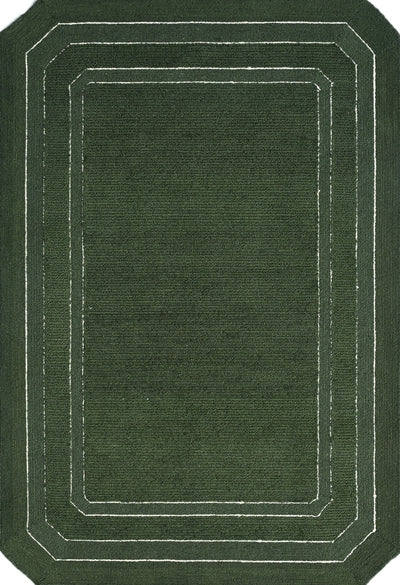
Hardwood floors typically carry either warm undertones (amber, honey, red-brown) or cool undertones (grey, ash, whitewashed). Identifying this undertone is the most important first step. Warm hardwood floors pair beautifully with rugs in ivory, cream, terracotta, olive green, burnt orange, and soft gold. Cool or grey-toned wood floors work best with rugs in charcoal, slate blue, sage, dusty rose, and warm white.
Tile Floors
Tile floors, whether porcelain, ceramic, or natural stone, tend to be cool and hard in character. They benefit enormously from rugs that introduce warmth, softness, and tactile interest. Think plush wool rugs in warm neutrals, Persian-style patterns in burgundy and navy, or Moroccan-inspired designs in ivory and charcoal.
Concrete and Polished Floors
Polished concrete is inherently industrial and cool-toned. It pairs superbly with rugs that bring in organic warmth: jute, sisal, thick wool shag in caramel, or bold geometric patterns in earthy tones. A large-format flat-weave rug in mustard yellow or rust can completely transform a stark concrete floor into something inviting.
Layering a Rug Over Carpet
Layering a rug over carpet is a legitimate and increasingly popular interior design technique. The key rule: the base carpet should be a plain, low-pile neutral, and the layered rug should have significantly more visual interest, a pattern, a texture, or a stronger colour.
The Core Colour Pairing Rules
Colour is where most people get stuck. These five principles simplify the process significantly.
- Contrast value, not just colour. If your floor is dark, choose a lighter rug. If your floor is pale, a mid-tone or deeper rug will anchor the space far more effectively than another pale tone.
- Match undertones. Warm floor + warm rug, or cool floor + cool rug, creates harmony. Crossing undertones can work deliberately (for tension and energy) but must be done with intention.
- Pull colours from the whole room, not just the floor. A rug bridges the floor and the furniture above it. Choose a rug that connects to a colour already present in your sofa, cushions, curtains, or artwork for a cohesive layered look.
- Limit your palette. A rug with multiple colours can work beautifully, but ensure at least one colour echoes the floor, and one echoes the wall or furniture; never introduce entirely isolated colours.
- Use neutrals to bridge bold elements. If you have a bold floor and bold furniture, a neutral rug in ivory, natural jute, or warm greige acts as a visual rest point that prevents the room from feeling overwhelming.
Floor-by-Floor Rug Colour Recommendations
- Dark hardwood: Light Persian or kilim ivory, cream, or pale blue creates high contrast that lifts the room elegantly.
- Light oak / blonde wood: Mid-tone flat-weave in terracotta, sage green, or warm charcoal adds depth without competing with the pale floor.
- Grey tile: Wool shag or Beni Ourain in ivory with black diamond pattern textural softness counters hard tile perfectly.
- Polished concrete: Large jute or vintage-style rug, natural fibres introduce organic warmth. Go oversized so the rug doesn't look lost.
- Terracotta tile: Geometric or Berber in navy, indigo, and white, these patterns work superbly against the warm, earthy base.
- White/pale tile: A bold coloured or patterned rug becomes a statement piece; the neutral floor lets it shine.
Matching Rug Style to Your Floor's Character
Colour is only half the equation. The style of your rug must also align with the visual character of your floor.
Traditional and Rustic Floors
Reclaimed wood, wide-plank pine, or aged parquet floors have a warm, organic character. They suit Persian rugs, kilims, Oushak designs, and vintage-style flat weaves. Ultra-modern geometric or minimalist rugs tend to clash with these floors; the contrast is too jarring, and the styles fight each other.
Modern and Minimalist Floors
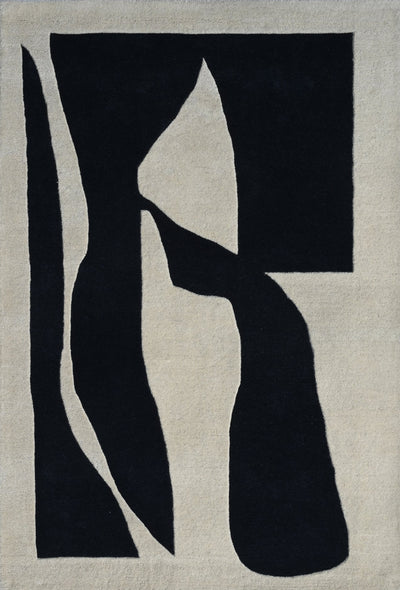
Smooth light oak engineered floors, large-format pale tiles, and polished concrete all benefit from rugs with clean lines: simple stripes, abstract patterns, solid tones with textural interest, or understated geometric designs. Persian rugs can work here as a deliberate eclectic contrast, but only if the rest of the room is anchored in simplicity.
Industrial Floors
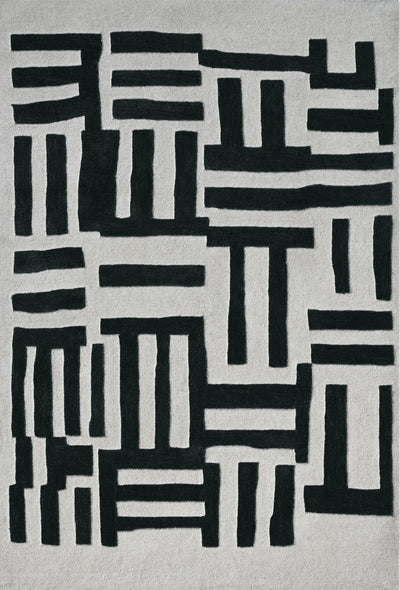
Dark wood, raw concrete, and black-stained floors have an urban, masculine energy. Counter this with rugs that are either very soft and warm (a thick cream wool shag) or lean into the aesthetic with bold black-and-white patterns, vintage overdyed rugs, or large-scale abstracts in charcoal and ochre.
Pro Tip: When pairing a patterned rug with a visually busy floor, choose a rug with a simple, large-scale pattern. Small-scale patterns compete with each other; large-scale patterns resolve the visual tension.
Texture: The Overlooked Dimension of Rug Pairing
Texture is the silent language of interior design. Smooth, hard floors — tile, polished concrete, lacquered wood contrast beautifully with high-pile, plush, or shaggy rugs. Conversely, heavily textured floors like rough stone or reclaimed wood pair better with flat-weave or low-pile rugs, so the two textures don't visually compete.
Natural fibre rugs, such as jute, sisal, and seagrass are neutrals in both colour and texture. They work on almost any floor type, adding subtle warmth without demanding attention.
Getting the Rug Size Right
A beautifully chosen rug in the wrong size will undermine the entire design. Follow these room-by-room guidelines:
- Living room: All furniture legs should sit on the rug, or at a minimum, the front two legs of all seating pieces. A rug that only sits under the coffee table is almost always too small.
- Bedroom: A generous rug should extend at least 60cm beyond each side of the bed so your feet land on the rug the moment you get up.
- Dining room: The rug must be large enough that chairs remain on the rug even when pulled out for seating, allowing at least 60–75cm beyond the edge of the table on all sides.
Common Rug Pairing Mistakes to Avoid
- Matching the rug too closely to the floor. Near-identical tones create a flat, boring effect and make the rug invisible.
- Choosing a rug that is too small. A small rug in a large room looks like a postage stamp and makes furniture appear to float uncomfortably.
- Ignoring undertones. Mixing a warm-toned floor with a cold-toned rug without intention creates unresolved visual tension.
- Layering competing patterns. A patterned floor needs a simpler rug; a patterned rug needs a quieter floor or very deliberate colour bridging.
- Skipping a rug pad. A quality non-slip pad protects both your rug and your floor, and keeps everything looking crisp.
Final Thoughts
Pairing a rug with your floor is not about following rigid rules; it's about understanding the visual language of contrast, undertone, and texture, then making deliberate choices that serve the mood of your space. Whether you're drawn to the timeless elegance of a Persian rug on dark hardwood, the casual warmth of a jute rug on concrete, or the bold contrast of an indigo geometric on pale tile, the principles in this guide will ensure your choice is confident, cohesive, and beautifully considered.
When in doubt: trust contrast over matching, warmth over sterility, and scale over caution. A well-chosen rug is transformative, and now you have everything you need to choose wisely.